Best Discounts
The best discounts this week
Every week you can find the best discounts here.

O Herói Americano: Por Que Amamos a Série Clássica The Greatest American Hero
Lançada em 1981, a série de TV The Greatest American Hero (O Super-Herói Americano, no Brasil) rapidamente se tornou um clássico cult, destacando-se no cenário de super-heróis da época por sua abordagem única e cômica. Longe dos heróis invencíveis e confiantes, a série nos apresentou a um protagonista relutante e, francamente, desajeitado, que conquistou o público com seu charme e suas trapalhadas.
A Trama: Um Herói Sem Manual
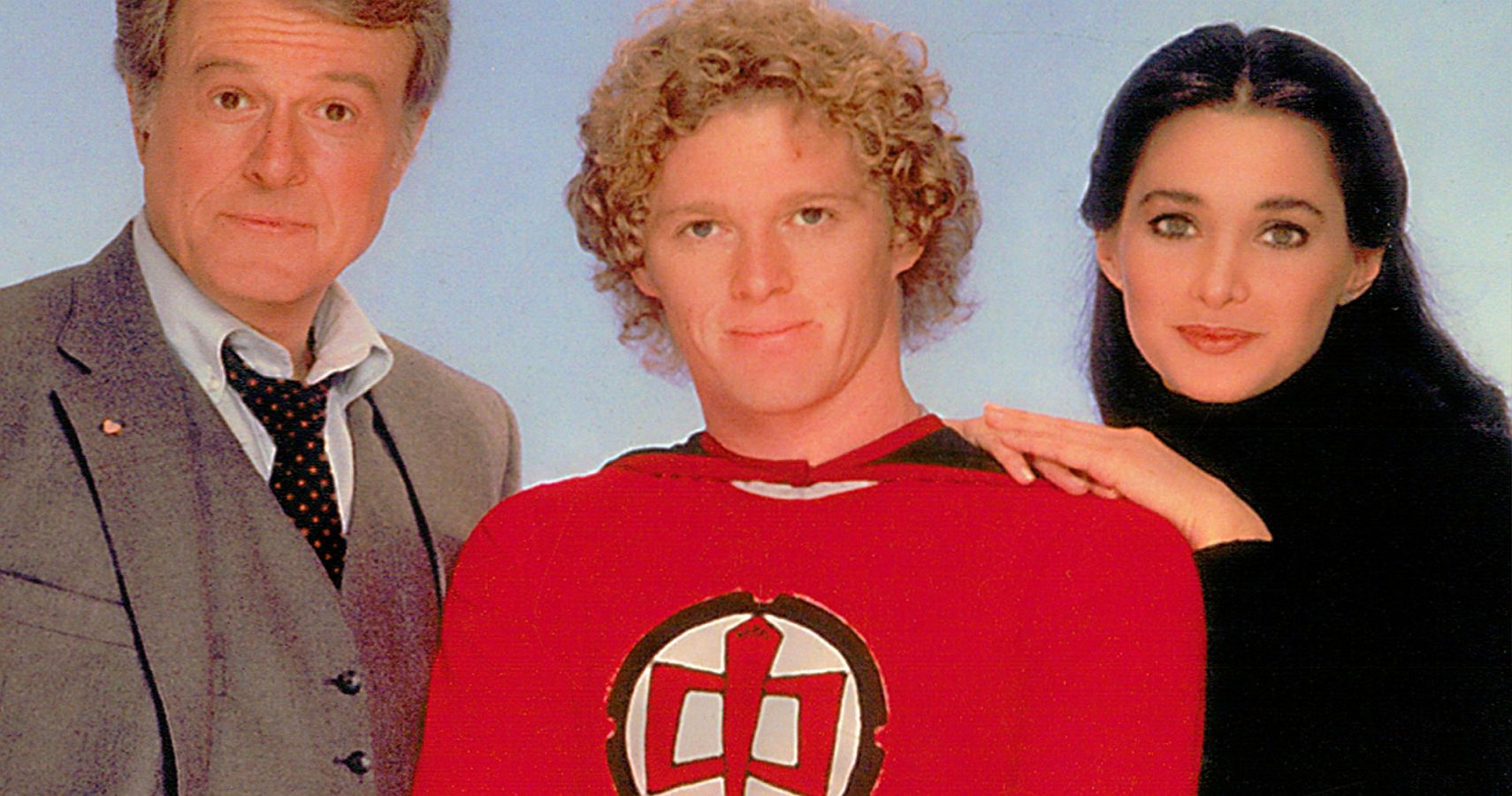
A premissa da série é o que a torna tão memorável. Ralph Hinkley (interpretado por William Katt) é um professor de ensino médio de Los Angeles, divorciado e com uma vida perfeitamente comum. Sua vida vira de cabeça para baixo após um encontro com alienígenas no deserto.
Os alienígenas confiam a Ralph um traje vermelho e preto que lhe confere superpoderes, como voo, superforça, invulnerabilidade e telecinese. O problema? Ralph perde o manual de instruções do traje logo no primeiro episódio. A partir daí, ele é forçado a aprender a usar seus poderes por tentativa e erro, resultando em algumas das cenas de voo mais hilárias e desastradas da história da televisão.
Para guiá-lo em sua missão de combater o crime, Ralph conta com a ajuda de dois parceiros improváveis:
•Bill Maxwell (Robert Culp): Um agente do FBI cético e mal-humorado, que frequentemente pressiona Ralph a usar o traje para missões governamentais. A dinâmica entre o herói idealista e o agente pragmático é o coração da série.
•Pam Davidson (Connie Sellecca): Uma advogada e namorada de Ralph (e mais tarde sua esposa), que serve como a voz da razão e a âncora moral do herói.
Curiosidades Que Você Precisa Saber
A série The Greatest American Hero é rica em histórias de bastidores e momentos culturais que cimentaram seu lugar na história da TV:
|
Curiosidade
|
Detalhe
|
|
O Hino Inesperado
|
A música tema da série, “Believe It or Not”, cantada por Joey Scarbury, foi um sucesso estrondoso. Ela alcançou o 2º lugar na parada Billboard Hot 100 em 1981, tornando-se um dos temas de TV mais bem-sucedidos de todos os tempos.
|
|
A Polêmica da Mudança de Nome
|
Após a tentativa de assassinato do Presidente Ronald Reagan por John Hinckley Jr. em 1981, o nome do protagonista, Ralph Hinkley, foi temporariamente alterado para Ralph Hanley em alguns episódios, para evitar qualquer associação infeliz.
|
|
O Símbolo Icônico
|
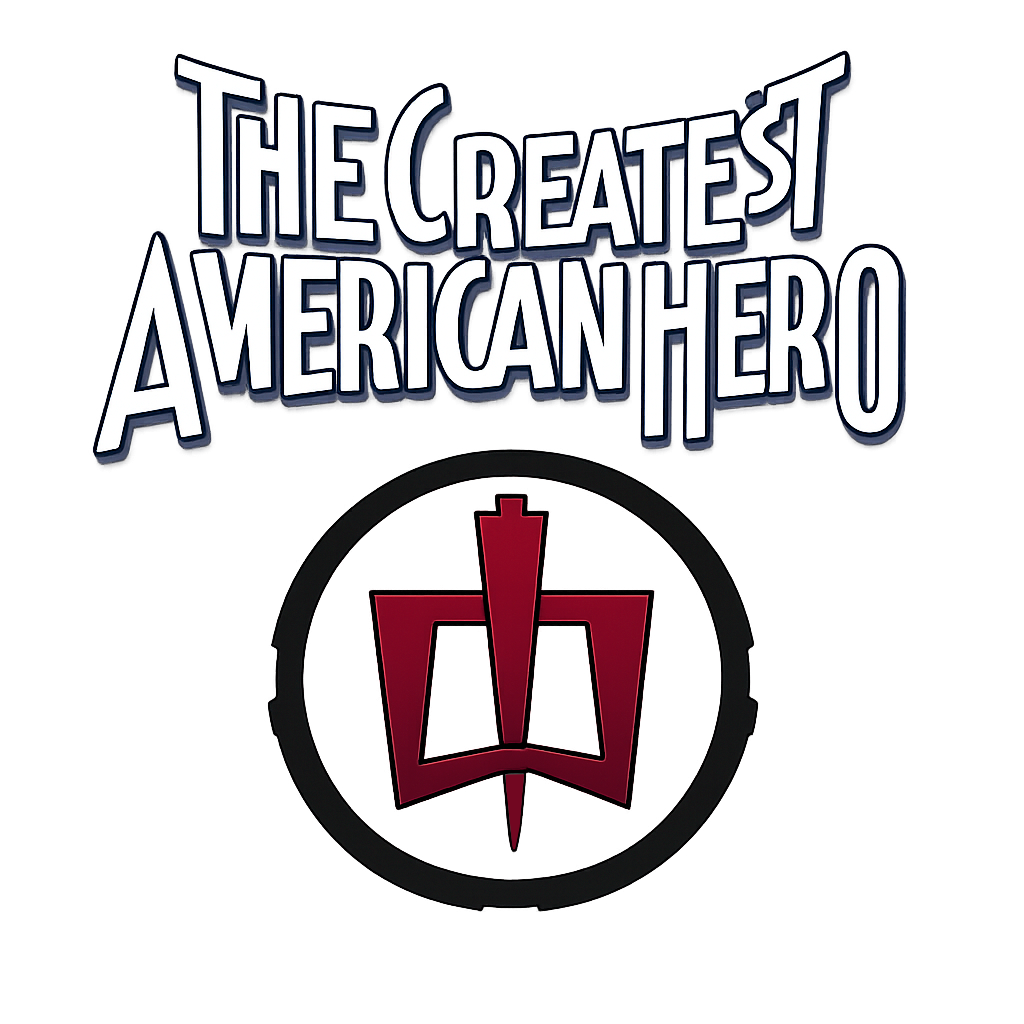
O símbolo no traje de Ralph é inconfundível. Embora pareça um ideograma chinês, ele foi desenhado especificamente para a série e se tornou um ícone da cultura pop dos anos 80.
|
|
O Voo Desajeitado
|
A marca registrada da série era o voo descontrolado de Ralph. O criador Stephen J. Cannell queria um herói que não fosse perfeito, e a perda do manual permitiu que o personagem fosse constantemente humano e falível.
|
O Legado de um Herói Imperfeito
Embora tenha durado apenas três temporadas (1981-1983), The Greatest American Hero deixou uma marca duradoura. A série subverteu o gênero de super-heróis, injetando humor e humanidade em um formato que era, até então, dominado por figuras estoicas. Ela provou que um herói não precisa ser perfeito para ser amado, apenas precisa ter um bom coração e, talvez, um pouco mais de sorte ao pousar.
==================================================================================================================================
The Greatest American Hero: Why We Love the Classic TV Series
Launched in 1981, the TV series The Greatest American Hero quickly became a cult classic, standing out in the superhero landscape of the time for its unique and comedic approach. Far from the invincible and confident heroes, the series introduced us to a reluctant and, frankly, clumsy protagonist who won over audiences with his charm and mishaps.
The Plot: A Hero Without a Manual
The series’ premise is what makes it so memorable. Ralph Hinkley (played by William Katt) is a high school teacher in Los Angeles, divorced and living a perfectly ordinary life. His life is turned upside down after an encounter with aliens in the desert.
The aliens entrust Ralph with a red and black suit that grants him superpowers, such as flight, super strength, invulnerability, and telekinesis. The catch? Ralph loses the suit’s instruction manual in the very first episode. From then on, he is forced to learn how to use his powers through trial and error, resulting in some of the most hilarious and disastrous flying scenes in television history.
To guide him in his mission to fight crime, Ralph is assisted by two unlikely partners:
•Bill Maxwell (Robert Culp): A skeptical and grumpy FBI agent who frequently pressures Ralph to use the suit for government missions. The dynamic between the idealistic hero and the pragmatic agent is the heart of the series.
•Pam Davidson (Connie Sellecca): A lawyer and Ralph’s girlfriend (and later his wife), who serves as the voice of reason and the hero’s moral anchor.

Trivia You Need to Know
The Greatest American Hero is rich in behind-the-scenes stories and cultural moments that cemented its place in TV history:
|
Trivia
|
Detail
|
|
The Unexpected Anthem
|
The series’ theme song, “Believe It or Not”, sung by Joey Scarbury, was a massive hit. It peaked at #2 on the Billboard Hot 100 chart in 1981, becoming one of the most successful TV themes of all time.
|
|
The Name Change Controversy
|
Following the assassination attempt on President Ronald Reagan by John Hinckley Jr. in 1981, the protagonist’s name, Ralph Hinkley, was temporarily changed to Ralph Hanley in some episodes to avoid any unfortunate association.
|
|
The Iconic Symbol
|
The symbol on Ralph’s suit is unmistakable. Although it resembles a Chinese ideogram, it was designed specifically for the series and has become an 80s pop culture icon.
|
|
The Clumsy Flight
|
The series’ trademark was Ralph’s uncontrolled flying. Creator Stephen J. Cannell wanted a hero who wasn’t perfect, and the lost manual allowed the character to be constantly human and fallible.
|
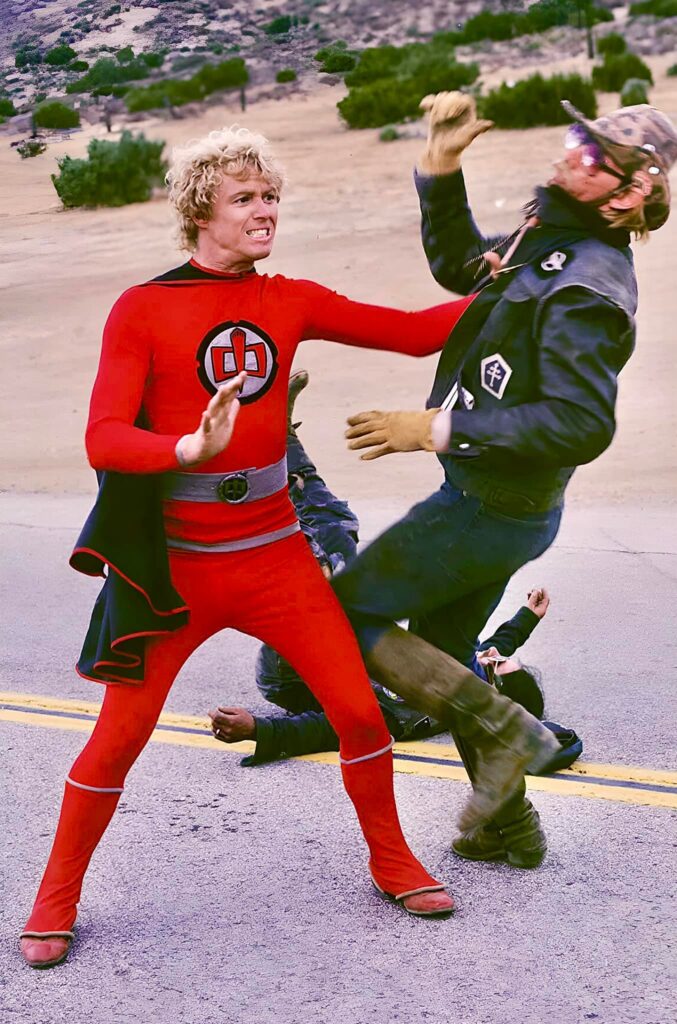
Ralph Hinkley in his red and black suit, featuring the iconic symbol.
The Legacy of an Imperfect Hero
Although it only ran for three seasons (1981-1983), The Greatest American Hero left a lasting mark. The series subverted the superhero genre, injecting humor and humanity into a format that had previously been dominated by stoic figures. It proved that a hero doesn’t have to be perfect to be loved—they just need a good heart and, perhaps, a little more luck when landing.